The Diabetes Plate Method: A Simple Way to Build Meals
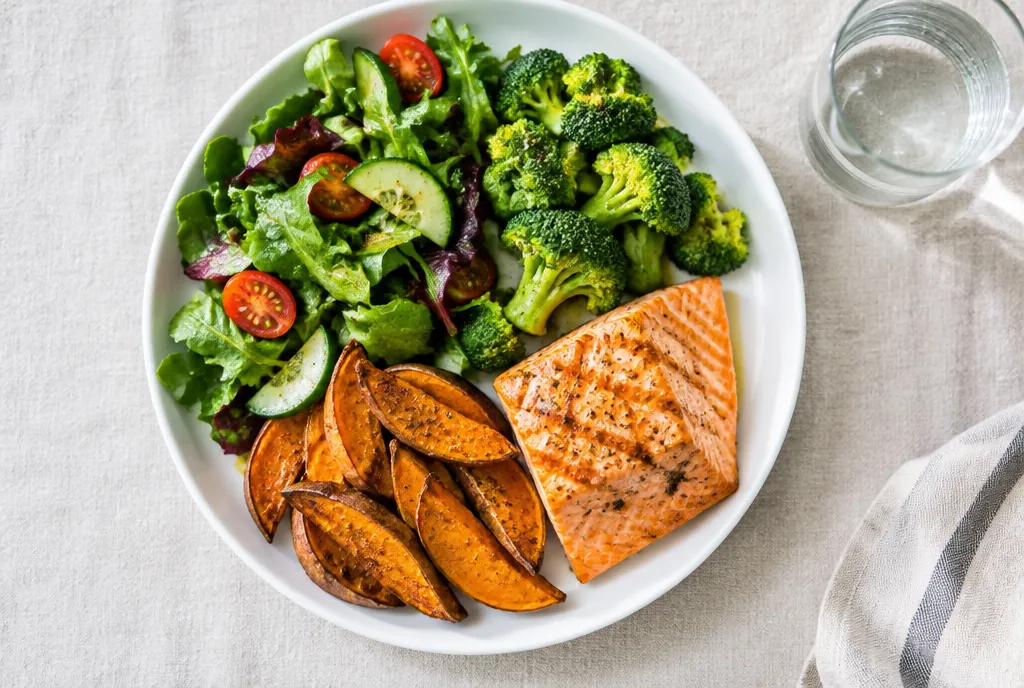
Use a 9-inch plate to build balanced meals without counting: half non-starchy vegetables, a quarter protein, a quarter carb foods, and water to drink.
 AI image
Planning meals when you are managing blood sugar can feel like a lot of math. The Diabetes Plate Method is a way to take the math out of it. It is promoted by both the CDC and the American Diabetes Association (ADA), and all it really needs is a plate.
This guide walks through the method step by step. It is general information. If you have diabetes, your doctor, registered dietitian or diabetes care and education specialist can help you adapt it to your needs.
Why a plate?
The idea is simple: the size and layout of your plate do the portion work for you. The NIDDK explains that the plate method helps you control portion sizes without counting and measuring. The ADA's Diabetes Food Hub describes it the same way: you can build meals with a healthy balance of non-starchy vegetables, protein and quality carbohydrates without counting, calculating, weighing or measuring.
The method also balances the meal. The CDC notes that eating carbohydrates together with protein, fat or fiber slows down how quickly blood sugar rises, and the plate builds that pairing in automatically.
What goes in each section
Here is the layout described by the CDC and ADA:
- Half the plate: non-starchy vegetables. Examples from the CDC and ADA include salad, green beans, broccoli, carrots and spinach.
- One quarter: lean protein. For example skinless chicken or turkey. Other protein foods, such as fish, eggs, tofu or beans, can also fit here depending on your eating pattern.
- One quarter: carbohydrate foods. The ADA lists starchy vegetables, whole grains, beans and legumes, fruit and low-fat dairy as options. The NIDDK suggests choosing high-fiber carbs such as brown rice, whole grains, beans and fruit.
- Your drink: water or a low-calorie drink, such as unsweetened iced tea, according to the CDC.
Who might find it helpful
The plate method can suit:
- People who are newly diagnosed and want a simple starting point
- People who find carb counting stressful or hard to keep up
- Families who want one balanced meal that works for everyone at the table
- Anyone who wants a quick visual check on portions
The ADA notes that the Diabetes Plate can be used with any of the recognized diabetes meal patterns, so it is flexible across cuisines and food preferences.
Important: the plate is not a replacement for your care plan
The NIDDK notes that people who do not take insulin may not need to count carbs when using the plate method. If you take insulin, counting carbs can help you know how much insulin to take, so the plate method may be a helpful add-on rather than a replacement.
Talk to your doctor or diabetes care team before changing how you eat if you take insulin or other diabetes medicines, and never adjust or stop medication on your own.
Mixed dishes and real life
Not every meal fits neatly into sections. Soups, stir-fries, curries and casseroles mix everything together. A practical approach is to estimate: think about roughly how much of the dish is vegetables, protein and starch, and add a side salad or extra vegetables if the vegetable share looks small.
You also don't have to give up favorite foods. The NIDDK suggests enjoying them in smaller portions or less often.
Sample plates to spark ideas
These examples simply show how the sections can come together. Adjust them to the foods you enjoy and your care team's advice.
- Weeknight dinner: a large green salad and steamed green beans on half the plate, baked fish on one quarter, and brown rice on the last quarter, with a glass of water.
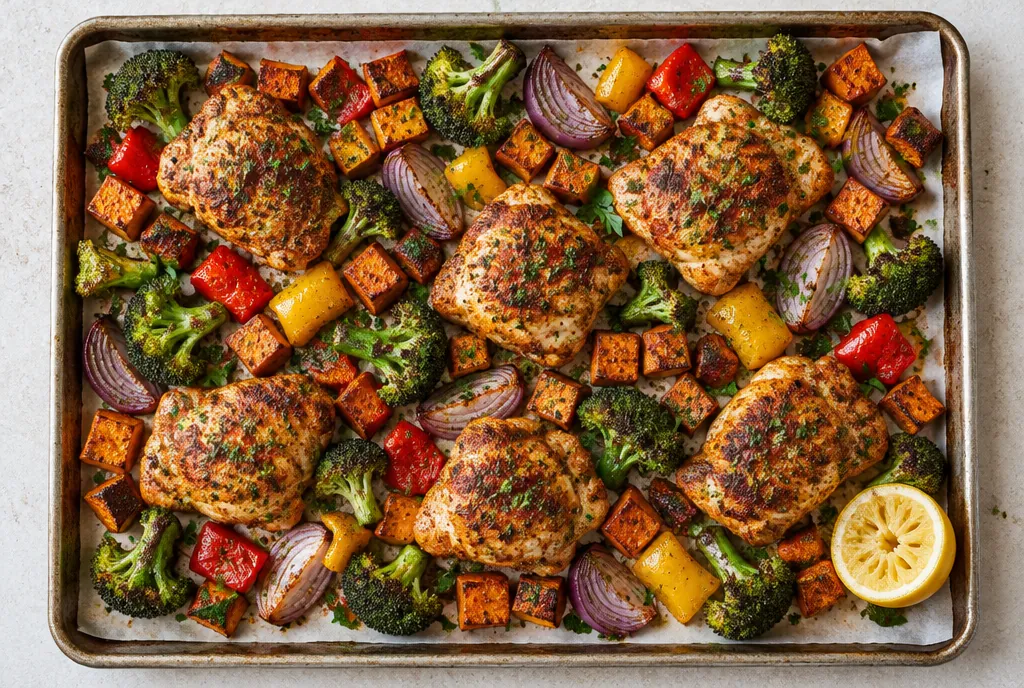
- Lunch at home: roasted broccoli and carrots on half, sliced skinless chicken on one quarter, and a small roasted sweet potato on the other quarter.
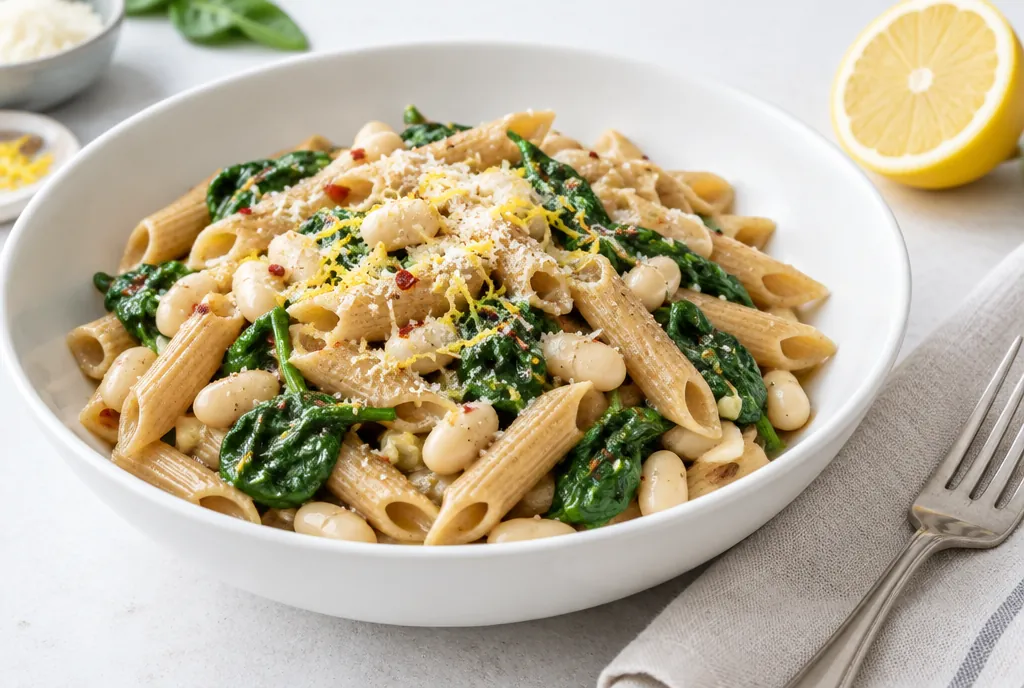
- Meatless meal: sautéed spinach and peppers on half, tofu on one quarter, and whole-grain pasta or a piece of fruit on the remaining quarter.
The ADA's Diabetes Food Hub shares a similar example: lemon chicken with collard greens and yellow squash filling the vegetable half, and half a roasted sweet potato as the carbohydrate quarter.
Tips to make the plate method easier
- Keep vegetables ready. Washed salad greens, frozen vegetables or a tray of roasted vegetables in the fridge make filling half the plate quick.
- Cook once, plate twice. Prepare a protein and a whole grain in larger batches and portion them onto plates through the week.
- Plate in the kitchen. Serving onto plates, rather than eating from serving bowls at the table, makes it easier to see the sections.
- Be patient with yourself. It can take a few weeks for the layout to feel natural. Every balanced plate is a step in the right direction.
Step by step
- 1
Start with a 9-inch plate
Use a dinner plate about 9 inches across, which the CDC describes as about the length of a business envelope. If your plates are larger, use a smaller plate or imagine a 9-inch circle in the middle.
- 2
Fill half with non-starchy vegetables
Add salad, green beans, broccoli, carrots, spinach, peppers or other non-starchy vegetables.
- 3
Add a quarter of lean protein
Fill one quarter with a lean protein food such as skinless chicken or turkey, fish, eggs, tofu or beans.
- 4
Add a quarter of carbohydrate foods
Fill the last quarter with carbohydrate foods. Choose high-fiber options when you can, such as brown rice, whole grains, beans, starchy vegetables like sweet potato, or fruit.
- 5
Choose water or a low-calorie drink
Pair the meal with water or a low-calorie drink such as unsweetened iced tea, rather than a sugary drink.
- 6
Check in with your care team
If you take insulin or other diabetes medicines, ask your doctor, registered dietitian or diabetes educator how the plate method fits with carb counting and your medication plan.
Frequently asked questions
Do I need to count carbs with the plate method?
The NIDDK says people who do not take insulin may not need to count carbs when using the plate method. If you take insulin, counting carbs can help you know how much insulin to take, so ask your care team how to combine the two.
Where does fruit go?
The ADA lists fruit among the quality carbohydrate foods, so it fits in the carbohydrate quarter.
Can I use the plate method without diabetes?
Yes. It is a simple, balanced way to build meals and manage portions for anyone, although it was designed with diabetes in mind.
This article is general education, not medical advice. It can't diagnose anything or tell you how to change a treatment. If you have diabetes or prediabetes, take medication, are pregnant or have another health condition, talk to your doctor, registered dietitian or diabetes care team before changing how you eat or move. Health disclaimer
Sources
- CDC — Diabetes Meal Planning cdc.gov
- American Diabetes Association Diabetes Food Hub — Create-Your-Plate: Simplify Meal Planning with the Diabetes Plate diabetesfoodhub.org
- NIDDK — Diabetes Diet, Eating, & Physical Activity niddk.nih.gov
We link to health institutions, published guidelines and original research. See our editorial policy.
Recipes
Put it on your plate
-
Dinner
-
Dinner
-
Snacks
-
Dinner