A Beginner's Guide to Building Balanced Meals with the Plate Method
A simple plate approach to balanced meals: half vegetables and fruit, a quarter whole grains, a quarter protein, plus healthy oils and water to drink.
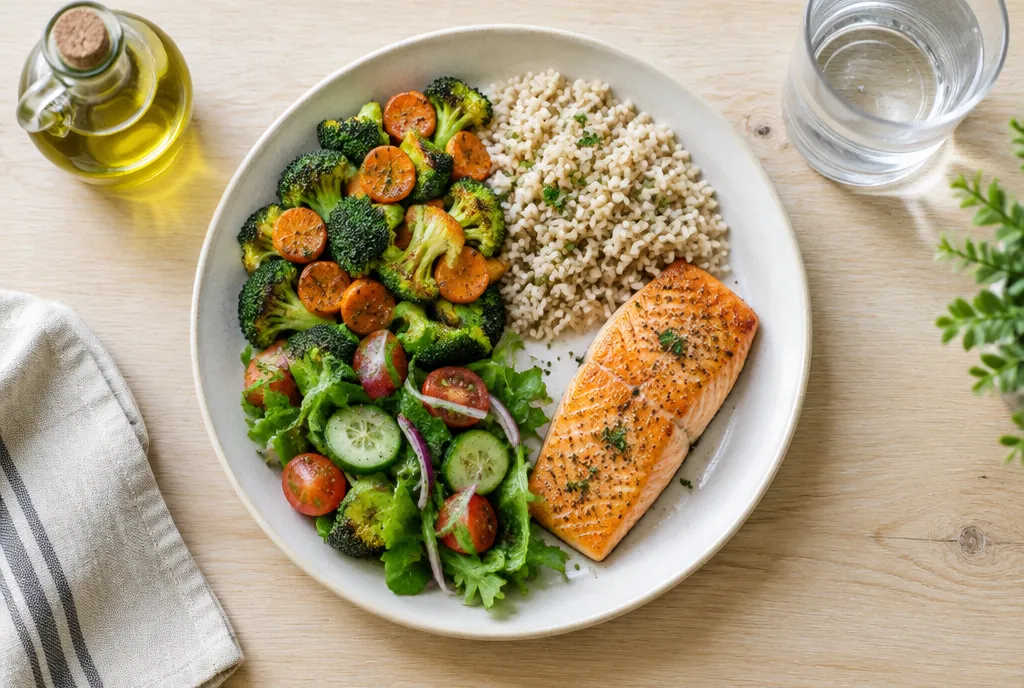 AI image
Healthy eating advice can feel complicated, with long lists of foods and numbers to track. A balanced plate is a simpler place to start. Instead of counting everything, you look at your plate and ask whether it has the right mix of food groups. This guide walks through a plate approach based on public health resources, with practical ideas you can use at your next meal.
What is a balanced plate?
A balanced plate is a visual way to build a meal from several food groups in sensible proportions. One widely used model is the Healthy Eating Plate from Harvard T.H. Chan School of Public Health's Nutrition Source. It suggests:
- About half your plate: vegetables and fruits
- About a quarter: whole grains
- About a quarter: healthy protein
- On the side: healthy oils for cooking and dressing, and water, tea or coffee to drink
The Nutrition Source notes that these sections are approximate proportions, not calorie or serving targets. That makes the plate useful whether you are cooking dinner for a family, packing a lunch or ordering at a restaurant.
Other national guides use a similar idea. The UK's Eatwell Guide from the NHS suggests that fruit and vegetables make up just over a third of what we eat each day, with starchy foods (choosing wholegrain or higher-fibre versions where possible) making up another third or so. The details differ, but the message is the same: plenty of plants, some whole grains, and a moderate portion of protein.
Half the plate: vegetables and fruits
Vegetables and fruits form the biggest part of a balanced plate. The Healthy Eating Plate encourages variety and color, so aim for different types across the week rather than the same side salad every night.
Some easy ways to fill this half:
- Add a handful of spinach or frozen peas to pasta, soups or rice dishes.
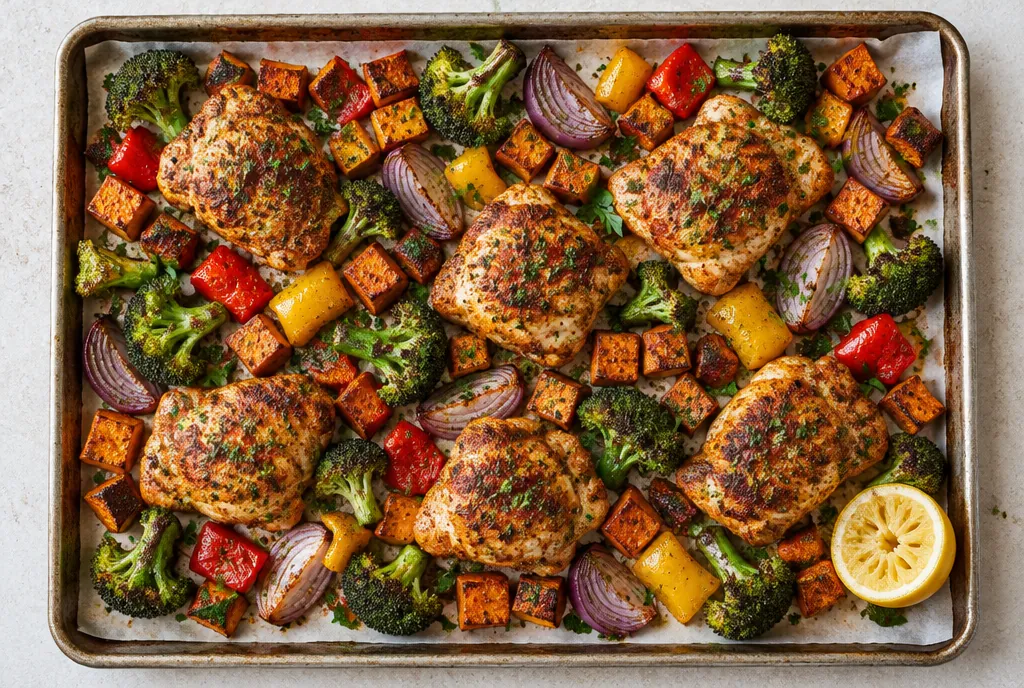
- Roast a tray of mixed vegetables at the start of the week to add to meals.
- Keep fruit within easy reach for dessert or snacks.
- Start dinner with a simple salad or a bowl of vegetable soup.
One point worth knowing: the Healthy Eating Plate does not count potatoes as vegetables, because of their effect on blood sugar. You can still enjoy them, but they work better in the starch section than as your vegetable.
The NHS Eatwell Guide recommends at least 5 portions of a variety of fruit and vegetables a day, and suggests keeping fruit juice and smoothies to a combined 150 ml a day.
A quarter: whole grains
Grains and starchy foods provide energy, and whole grains also bring fiber. The Healthy Eating Plate suggests choosing intact and whole grains, such as brown rice, oats, barley, quinoa and whole-wheat bread or pasta, more often than refined grains like white bread and white rice.
The current Dietary Guidelines for Americans, 2025–2030, also encourage prioritizing fiber-rich whole grains and cutting back on highly processed, refined carbohydrates.
Simple swaps that help:
- Try brown rice or a half-and-half mix with white rice.
- Choose whole-grain bread for sandwiches and toast.
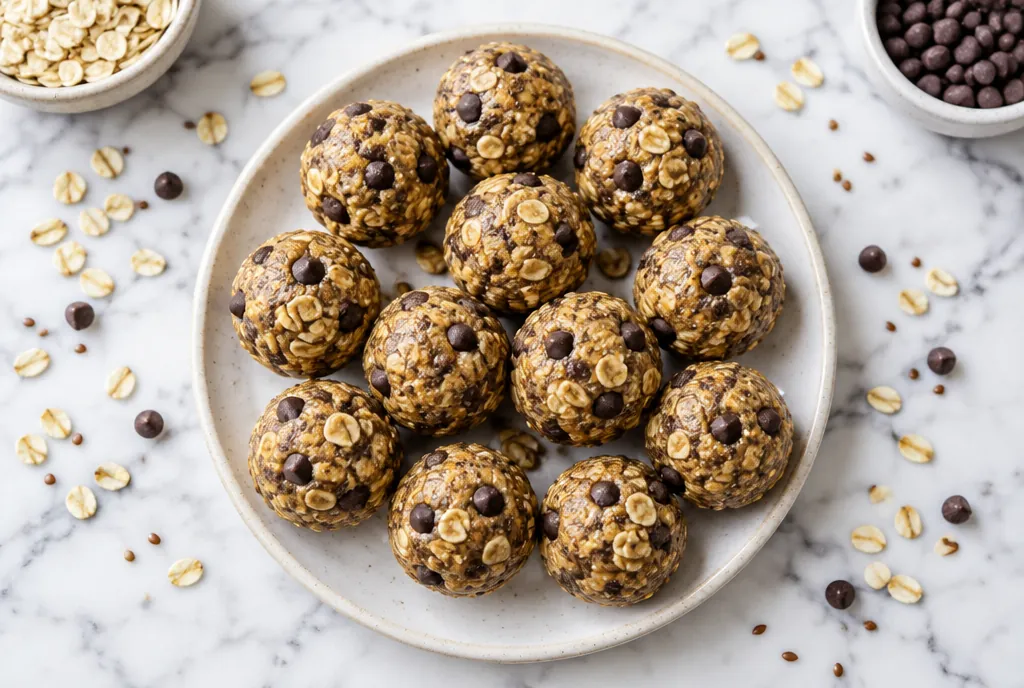
- Use oats for breakfast or as a topping.
A quarter: protein
Protein helps make a meal satisfying. The Healthy Eating Plate recommends choosing fish, poultry, beans and nuts most often, limiting red meat, and avoiding processed meats such as bacon and sausage.
Good options for this part of the plate include:
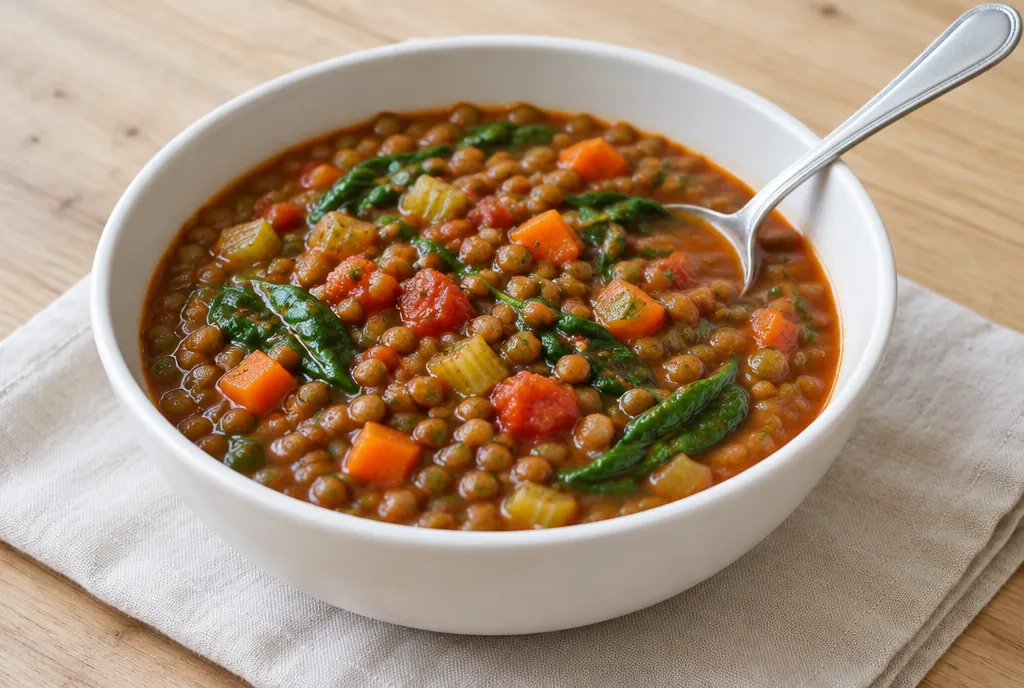
- Beans, lentils or chickpeas in a stew, salad or curry
- Grilled or baked fish
- Chicken or turkey
- Eggs
- Tofu or tempeh
- A sprinkle of nuts or seeds on salads and grain bowls
The NHS Eatwell Guide also suggests eating at least two portions of fish a week, one of them oily, such as salmon or sardines.
Healthy fats
Fat is part of a balanced meal, and the type matters. The Healthy Eating Plate encourages using healthy plant oils such as olive and canola oil, in moderation, and avoiding partially hydrogenated oils, which contain trans fats. The Eatwell Guide similarly suggests choosing unsaturated oils and using them in small amounts, because all fats are high in energy.
In practice, that might mean drizzling olive oil on roasted vegetables, using a little canola oil for stir-frying, or adding avocado or nuts to a meal.
What to drink
The Healthy Eating Plate suggests drinking water, coffee or tea, and skipping sugary drinks, which it describes as a major source of low-nutrient calories in the American diet. The NHS recommends 6 to 8 cups or glasses of fluid a day, noting that water, lower-fat milk and unsweetened tea and coffee all count.
Putting it together: example plates
Here are a few ways a balanced plate might look in everyday life:
- Breakfast: oatmeal topped with berries and a spoonful of nuts, with a cup of tea.
- Lunch: a whole-grain wrap with hummus, chicken or chickpeas, and plenty of salad vegetables, plus an apple.
- Dinner: baked salmon, brown rice and a large serving of roasted broccoli and carrots with olive oil.
- Vegetarian dinner: lentil and vegetable curry over a smaller portion of brown rice, with a side of sliced cucumber and tomato.
Not every meal needs to match the plate exactly. A sandwich at lunch might be light on vegetables, so you could add extra at dinner. Think of balance across the day and the week, not perfection at every meal.
Making it work for you
The plate method is a general guide for healthy adults. Your needs may differ depending on your age, activity level, cultural food traditions and preferences. If you have a health condition such as diabetes, kidney disease or food allergies, or you have been given specific dietary advice, it is a good idea to talk with your doctor or a registered dietitian about how to adapt this approach.
The main idea is simple: build your meals around vegetables and fruit, add whole grains and a source of protein, use healthy oils, and drink water. Small, steady changes, like adding one more vegetable to dinner, are a good way to start.
Frequently asked questions
Do I need to measure my plate exactly?
No. The Healthy Eating Plate describes its sections as approximate proportions, not calorie or serving targets. Use them as a visual guide.
Do potatoes count as a vegetable on the plate?
The Harvard Healthy Eating Plate does not count potatoes as vegetables because of their effect on blood sugar. You can include them as part of the starch portion instead.
What if my meal is a mixed dish like soup or curry?
Think about the ingredients rather than the plate. Aim for plenty of vegetables, a source of protein such as beans or chicken, and a whole-grain side if you want one.
This article is general education, not personal medical advice. If you have a health condition or take medication, check with a doctor or registered dietitian before making big changes. Health disclaimer
Sources
- Harvard T.H. Chan School of Public Health, The Nutrition Source — Healthy Eating Plate nutritionsource.hsph.harvard.edu
- NHS — The Eatwell Guide nhs.uk
- U.S. Departments of HHS and USDA — Dietary Guidelines for Americans, 2025–2030 (Eat Real Food) realfood.gov
We link to health institutions, published guidelines and original research. See our editorial policy.
Recipes
Put it on your plate
-
Dinner
-
Snacks
-
Dinner