Portion Sizes Without Counting: A Practical Guide
Manage portions without counting every bite: use your plate, learn the difference between a serving and a portion, slow down, and read food labels with ease.
 AI image
Counting every calorie or weighing every meal is not realistic for most people, and it is not the only way to manage how much you eat. A few simple tools, like your plate, the food label, and the pace of your meal, can help you eat amounts that feel right without turning dinner into a math problem.
This guide shares practical strategies from public health sources. It is general information. If you have a health condition or specific nutrition needs, a registered dietitian can help you personalize it.
Portion vs serving: what is the difference?
These two words are often used as if they mean the same thing, but the NIDDK explains the difference:
- A portion is how much food you choose to eat at one time, whether in a restaurant, from a package or at home.
- A serving is the amount of food listed on a product's Nutrition Facts label.
Your portion may or may not match the serving size. That is fine, as long as you know how the two compare.
What the serving size on a label really means
The FDA explains that the serving size on a Nutrition Facts label reflects the amount that people typically eat or drink. It is not a recommendation of how much you should eat or drink. The NIDDK adds that the serving size on a label may be more or less than the amount you need.
Two parts of the label are especially helpful:
- Servings per container, at the top of the label. Many packages hold more than one serving.
- Calories and nutrients per serving. If you eat two servings, the FDA notes, you get two times the calories and nutrients shown.
When comparing two similar products, check that the serving sizes are the same before comparing the numbers.
Let your plate do the work
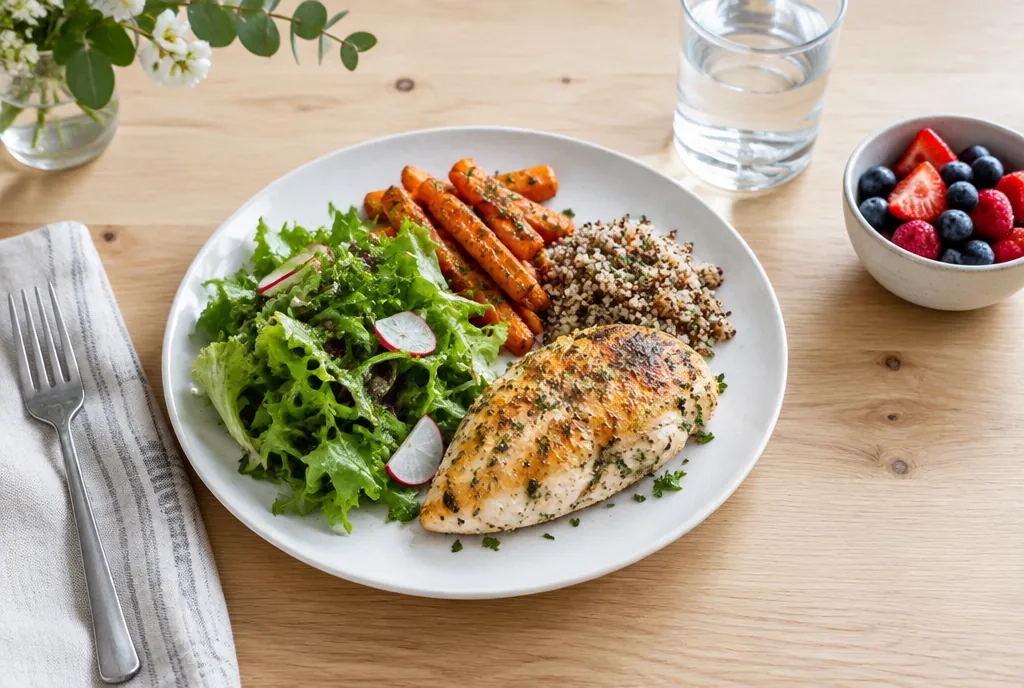
A divided plate is one of the simplest ways to balance portions without measuring. The CDC describes a plate method that starts with a 9-inch dinner plate, about the length of a business envelope, and fills:
- Half with non-starchy vegetables such as salad, green beans or broccoli
- One quarter with a lean protein
- One quarter with carbohydrate foods
The CDC pairs the plate with water or a low-calorie drink. This approach was designed for diabetes meal planning, but the layout is a useful visual guide for many people.
The NIDDK also suggests using smaller dishes, bowls and glasses, and taking one serving and eating it from a plate instead of straight from the box or bag.
Slow down
The NIDDK recommends eating slowly so your brain has time to realize your stomach is full, which may take at least 15 minutes. It also suggests avoiding eating in front of the TV, while driving or walking, or while you are busy with other activities, so you can notice what and how much you are eating.
Eating out
Restaurant portions are often larger than what you would serve at home. The NIDDK suggests:
- Sharing a meal with a friend or taking half home
- Choosing the small size of drinks, salads or frozen yogurt when you have the choice
- Avoiding all-you-can-eat buffets
- Stopping when you feel full, and putting down your fork
Snacks and packaged foods
Snacks are where portions most easily drift, because it is easy to keep eating straight from a large bag or box. A few simple habits help:
- Check the servings per container before you open the package, so you know whether it holds one serving or several.
- Pour or place one portion into a small bowl, then put the package away.
- If you buy large packs to save money, divide them into smaller containers when you get home.
- Notice how hungry you are before snacking. Sometimes a glass of water or a short break is what you actually want.
None of this means snacks are off limits. It just makes the amount you eat a choice rather than an accident.
A note on hand-based portion tips
You may have seen tips that compare portions to your fist or palm. We have not included them here because the public health sources we used for this guide do not give them. The plate, the label and your own fullness cues are well supported and easy to use.
When to talk to a professional
Portion needs vary with age, body size, activity and health. Talk to your doctor or a registered dietitian if you have diabetes or another health condition, if you take medicines that affect appetite or blood sugar (and please don't change any medication without your doctor), or if eating feels stressful or hard to manage.
Step by step
- 1
Check the label first
Look at servings per container and the serving size on the Nutrition Facts label. Remember that the serving size reflects what people typically eat; it is not a recommendation.
- 2
Serve onto a plate
Take one portion and put it on a plate or in a bowl instead of eating from the package, as the NIDDK suggests.
- 3
Use a 9-inch plate as a guide
Fill half with non-starchy vegetables, a quarter with lean protein and a quarter with carbohydrate foods, following the plate layout described by the CDC.
- 4
Choose smaller dishes and glasses
Smaller dishes, bowls and glasses make moderate portions look and feel more satisfying.
- 5
Eat slowly and without distractions
Give yourself at least 15 minutes, and try to eat away from the TV or your phone so you can notice when you are full.
- 6
Plan for leftovers
If you cook too much, freeze food you will not eat right away. When eating out, share a meal or take half home.
Frequently asked questions
Is the serving size on the label how much I should eat?
No. The FDA says the serving size reflects the amount people typically eat or drink and is not a recommendation. Your needs may be more or less.
Why does eating slowly help?
The NIDDK notes it may take at least 15 minutes for your brain to realize your stomach is full. Eating slowly gives those signals time to catch up.
This article is general education, not medical advice. It can't diagnose anything or tell you how to change a treatment. If you have diabetes or prediabetes, take medication, are pregnant or have another health condition, talk to your doctor, registered dietitian or diabetes care team before changing how you eat or move. Health disclaimer
Sources
- NIDDK — Just Enough for You: About Food Portions niddk.nih.gov
- FDA — How to Understand and Use the Nutrition Facts Label fda.gov
- CDC — Diabetes Meal Planning cdc.gov
We link to health institutions, published guidelines and original research. See our editorial policy.
Recipes
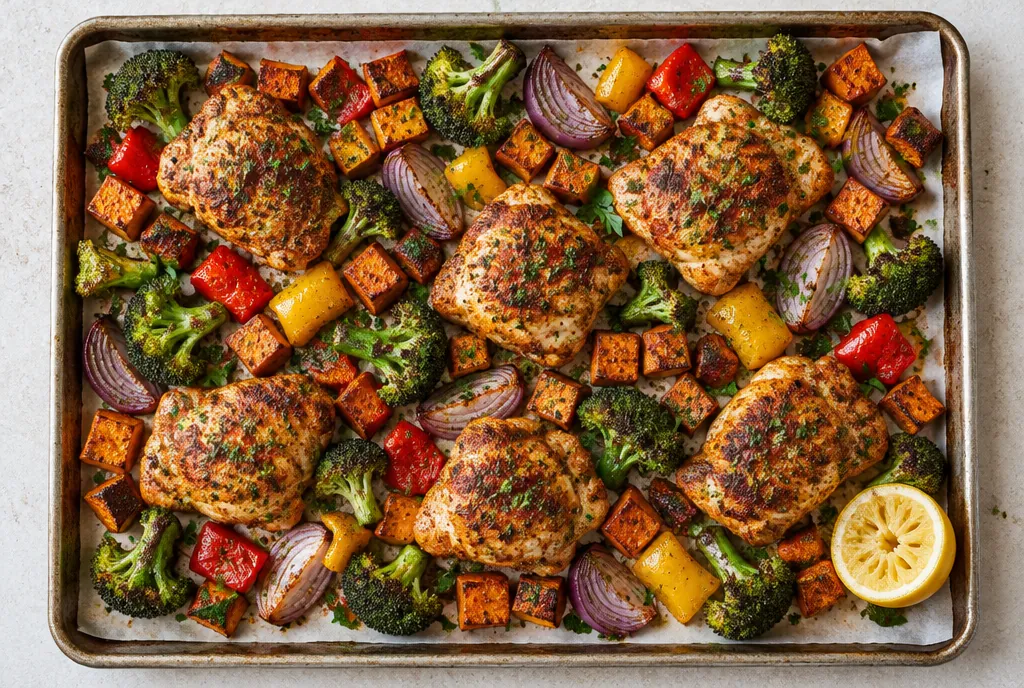
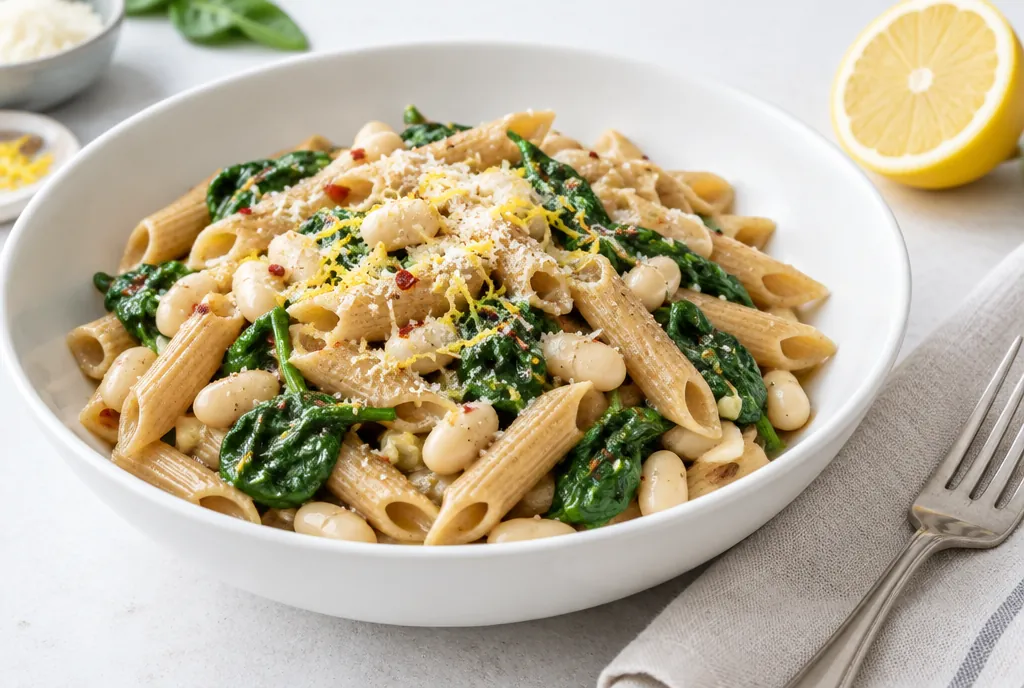
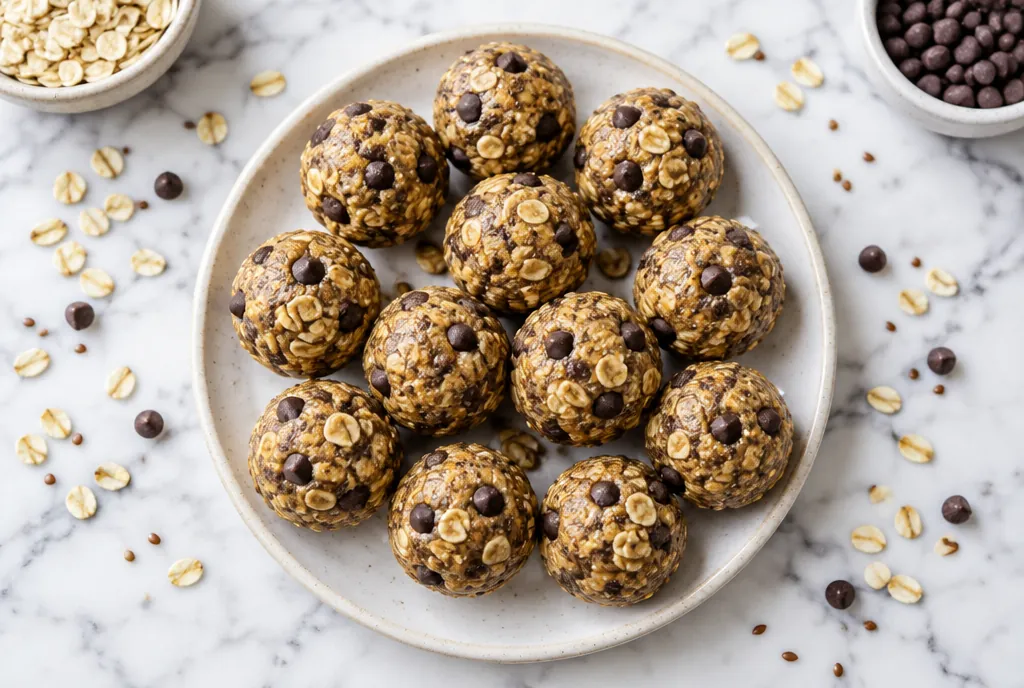
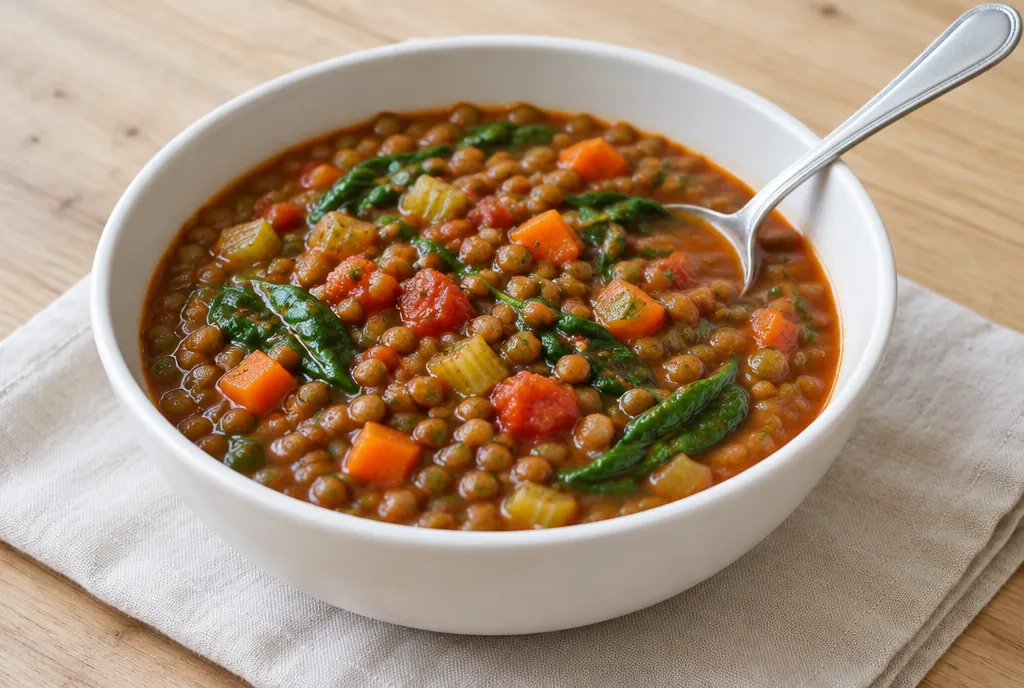
Put it on your plate
-
Dinner
-
Dinner
-
Snacks
-
Dinner