How Sleep Affects Your Appetite and Everyday Food Choices
Short sleep can leave you hungrier and eating more. Here is what the research shows about sleep and appetite, plus simple sleep habits from the CDC and NHS.
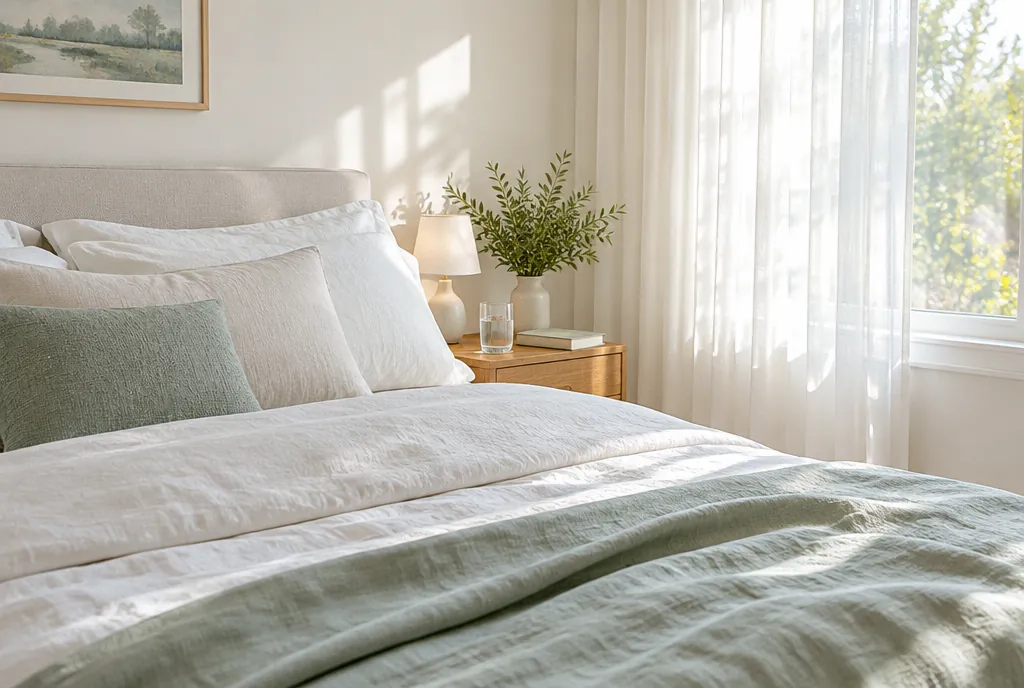 AI image
When we think about eating well, we usually think about what is on the plate. But how well you slept the night before can shape how hungry you feel and what you reach for the next day. If you have ever found yourself snacking more after a short night, you are not imagining it. Here is what the evidence says, and some simple ways to protect your sleep.
How much sleep do adults need?
The CDC recommends that adults aged 18 to 60 get 7 or more hours of sleep per night. For adults aged 61 to 64 the recommendation is 7 to 9 hours, and for those 65 and older it is 7 to 8 hours.
Many people regularly fall short of this because of work, family, screens or stress. Occasional short nights happen to everyone. The bigger concern is when too little sleep becomes the normal pattern.
Sleep and your hunger hormones
Your appetite is partly regulated by hormones. According to the National Heart, Lung, and Blood Institute (NHLBI), part of the National Institutes of Health, good-quality sleep helps maintain a healthy balance of ghrelin, a hormone that makes you feel hungry, and leptin, a hormone that helps you feel full.
When you do not get enough sleep, ghrelin levels tend to go up and leptin levels tend to go down. The result, as the NHLBI explains, is that you may feel hungrier than when you are well rested.
The NHLBI also notes that sleep affects how your body responds to insulin, the hormone that helps control blood sugar, and that sleep deficiency can result in higher-than-normal blood sugar levels.
What happens to food intake after short sleep?
Researchers have tested this directly by shortening people's sleep in controlled studies and measuring what they eat. A systematic review and meta-analysis by Al Khatib and colleagues, published in the European Journal of Clinical Nutrition in 2017, gathered these studies together.
The review included 17 studies, and 11 of them (172 participants in total) had enough data to be combined in a meta-analysis. The main findings were:
- After partial sleep deprivation, people's energy intake was about 385 kcal higher than after their normal sleep.
- Total energy expenditure and resting metabolic rate did not change significantly. In other words, people did not burn noticeably more energy to make up for eating more.
- The extra intake came with more fat and less protein, while carbohydrate intake did not change.
The authors concluded that partial sleep loss led to a net positive energy balance, which may contribute to weight gain over the long term.
It is worth keeping this in perspective. These were controlled studies with relatively small numbers of people, and the review describes an average effect, not what will happen to every individual after every short night. But it fits with what many people notice in daily life: when you are tired, it is harder to listen to your appetite and easier to reach for convenient, energy-dense foods.
Why tiredness changes food choices
Beyond hormones, being tired simply changes your day. You may have less time and energy to plan or cook meals, you might lean on coffee and snacks to stay alert, and late nights create more hours in which to eat. None of this is about willpower. It is a normal response to being short on rest, and it is one reason sleep deserves a place alongside food and activity in any healthy routine.
Simple sleep habits that help
The CDC and the NHS offer straightforward sleep tips:
- Keep a consistent schedule. Go to bed and get up at about the same time each day, including weekends.
- Wind down. A calm bedtime routine, such as reading, gentle breathing exercises or calming music, can help your body prepare for sleep.
- Set up your bedroom. Aim for a room that is quiet, dark, relaxing and cool.
- Put screens away. The CDC suggests turning off electronic devices at least 30 minutes before bed, and the NHS suggests trying to avoid phones, tablets and computers for an hour before bed.
- Watch caffeine timing. The CDC advises avoiding caffeine in the afternoon or evening. A warm milky drink or herbal tea in the evening is a caffeine-free alternative suggested by the NHS.
- Limit alcohol and nicotine before bed. The NHS notes these can disrupt sleep and suggests avoiding them in the hour or two before bedtime.
- Stay active. Regular exercise and a healthy diet support better sleep. If exercising late seems to keep you awake, try moving it earlier in the day.
Making tired days easier
Even with good habits, short nights will happen. On those days, a little planning can help:
- Have easy, balanced options ready, such as pre-cut vegetables, yogurt, fruit, eggs or leftovers.
- Eat regular meals rather than going long stretches without food and then feeling very hungry.
- Notice whether you are reaching for food because you are hungry or because you are tired, and consider whether a short walk, some water or an earlier night would help more.
When to talk to a doctor
If you regularly struggle to fall or stay asleep, wake up feeling unrefreshed despite enough time in bed, or feel very sleepy during the day, talk to your doctor. Sleep problems can have many causes, and some, such as sleep apnea, need medical assessment. A doctor or registered dietitian can also help if you are concerned about changes in your appetite or weight.
Frequently asked questions
Can lack of sleep make you hungrier?
It can. The NHLBI explains that short sleep tends to raise ghrelin, which makes you feel hungry, and lower leptin, which helps you feel full.
How much more do people eat after a short night?
A 2017 meta-analysis of controlled studies found energy intake was about 385 kcal higher after partial sleep loss than after normal sleep. This is an average from a small number of studies, not a prediction for any one person.
How long before bed should I stop using screens?
The CDC suggests turning off devices at least 30 minutes before bed, and the NHS suggests an hour.
This article is general education, not personal medical advice. If you have a health condition or take medication, check with a doctor or registered dietitian before making big changes. Health disclaimer
Sources
- CDC — About Sleep cdc.gov
- NHLBI (NIH) — Sleep Deprivation and Deficiency: How Sleep Affects Your Health nhlbi.nih.gov
- European Journal of Clinical Nutrition (PubMed) — Al Khatib et al. (2017), The effects of partial sleep deprivation on e pubmed.ncbi.nlm.nih.gov
- NHS Every Mind Matters — How to fall asleep faster and sleep better nhs.uk
We link to health institutions, published guidelines and original research. See our editorial policy.
Recipes
Put it on your plate
-
Dinner
-
Dinner
-
Snacks
-
Dinner