10 Simple Everyday Habits That Can Help You Feel Less Tired
Realistic, evidence-based habits for steadier energy: regular sleep, everyday movement, regular meals, enough fluids, timing caffeine and taking short breaks.
 AI image
Feeling tired from time to time is part of life. Busy weeks, broken nights and stress all take their toll. While there is no single food, drink or trick that will suddenly give you lasting energy, a handful of everyday habits can make a real difference to how you feel across the day. Here are ten realistic ones, based on public health guidance.
1. Protect your sleep time
Sleep is the foundation. The CDC recommends that adults aged 18 to 60 get 7 or more hours of sleep per night, 7 to 9 hours for ages 61 to 64, and 7 to 8 hours for those 65 and older. If you regularly get much less, other energy habits can only do so much.
Try counting back from the time you need to get up and setting a realistic bedtime.
2. Keep a regular sleep schedule
Going to bed and waking up at about the same time each day, including weekends, is one of the CDC's main tips for better sleep. The NHS also suggests keeping regular sleeping hours and avoiding naps during the day if you are struggling with tiredness, as well as giving yourself time to wind down before bed.
3. Move a little more every day
It can seem odd that using energy helps you feel more energetic, but regular activity is one of the most consistent pieces of advice for tiredness. The NHS suggests building up gradually to regular exercise, and the Physical Activity Guidelines for Americans recommend that adults aim for 150 to 300 minutes of moderate-intensity aerobic activity, such as brisk walking, each week.
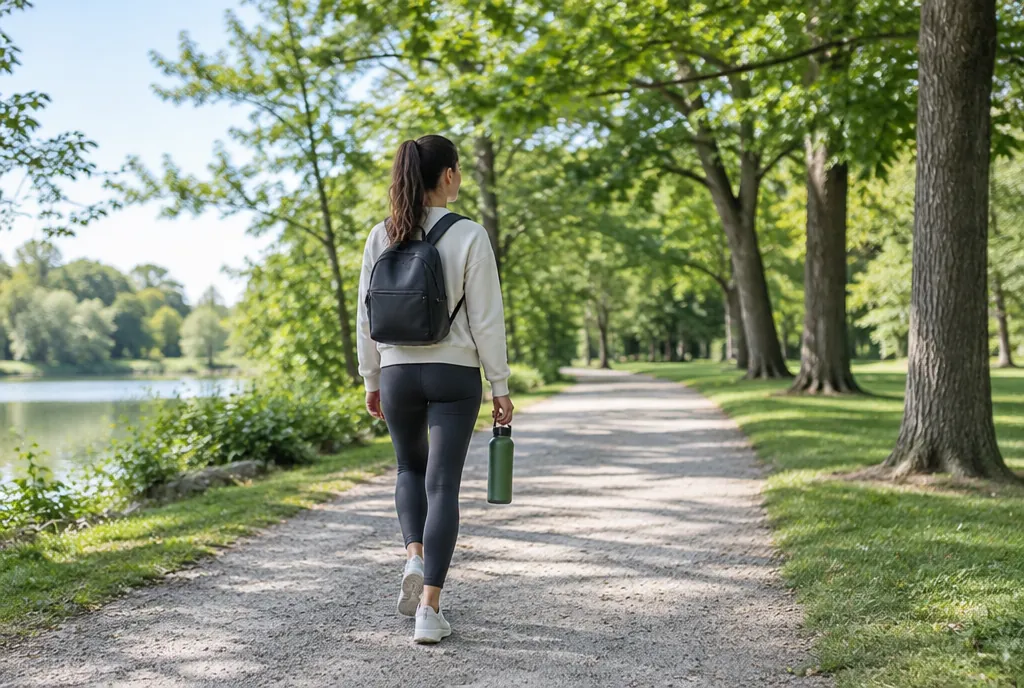
You do not need to start there. The guidelines are clear that any amount of physical activity has some health benefits, and short bouts across the day count. A 10-minute walk outdoors after lunch is a good start.
4. Add some muscle strengthening
The same guidelines recommend muscle-strengthening activity on at least 2 days a week, such as lifting weights or doing push-ups. Bodyweight moves like squats, wall push-ups or carrying shopping bags all fit into an ordinary day.
5. Eat regular meals
The NHS suggests eating regular meals and healthy snacks every 3 to 4 hours to help keep your energy up, rather than having a large meal less often. Building meals around vegetables or fruit, a source of protein and some whole grains is a practical way to make each meal more balanced and satisfying.
Skipping breakfast and then running on coffee until mid-afternoon is a common pattern worth noticing. Even something simple, like yogurt with fruit or a slice of whole-grain toast with peanut butter, can help.
6. Drink enough fluids
The NHS lists drinking enough water as one of its self-help tips for tiredness, especially after exercise. Its general guide is 6 to 8 cups or glasses of fluid a day, and you may need more in hot weather, when you are very active, or if you are unwell. Water, lower-fat milk and lower-sugar drinks, including tea and coffee, all count.
Keeping a glass or bottle of water within reach makes this much easier to remember.
7. Watch the timing of caffeine
Coffee and tea can be part of a healthy routine, but caffeine late in the day can get in the way of sleep. The CDC suggests avoiding caffeine in the afternoon or evening, and the NHS recommends cutting down gradually if you have a lot, and limiting caffeine in the evening.
If you rely on several cups to get through the day, it may be a sign your sleep needs attention first.
8. Take short breaks from sitting
"Move more and sit less" is a key message of the US physical activity guidelines, which link high amounts of sitting with a greater risk of health problems. In practical terms, standing up, stretching or walking for a few minutes every hour or so breaks up long stretches at a desk or on the sofa and adds a little extra movement to your day.
9. Ease up on alcohol, especially before bed
The NHS advises drinking less alcohol to fight tiredness, particularly before bedtime, and notes that you sleep less deeply after drinking. Its sleep advice suggests avoiding alcohol in the hour or two before bed.
10. Make room for rest and stress relief
Stress uses up a lot of energy. The NHS suggests building relaxing activities into your day, whether that is a walk, a hobby, breathing exercises or time with friends. If stress, anxiety or low mood seem to be behind your tiredness, talking therapies can help, and your doctor can tell you what is available.
A note on "energy-boosting" foods
You will often see particular foods, drinks or supplements promoted as energy boosters. In reality, there is no single item that gives you lasting energy on its own. Steady energy tends to come from the combination of enough sleep, regular movement, regular balanced meals and enough fluids, repeated day after day.
When to talk to a doctor
These habits can help with everyday tiredness, but they are not a substitute for medical advice. The NHS advises seeing a doctor if you have fatigue that is overwhelming and is not relieved by rest and sleep, as it can sometimes be linked to an underlying condition. It is also worth checking in if your tiredness is new, getting worse or comes with other symptoms.
Start with one or two
You do not need to adopt all ten at once. Pick one or two that feel easiest, such as a regular bedtime and a short daily walk, and give them a few weeks. Small changes you can keep up are more useful than a big plan that does not last.
Frequently asked questions
Is there a food that boosts energy?
No single food gives lasting energy on its own. Regular, balanced meals, enough sleep, regular movement and enough fluids work together to support how you feel.
When should I stop drinking coffee for better sleep?
The CDC suggests avoiding caffeine in the afternoon or evening. If you are sensitive to caffeine, an earlier cut-off may suit you better.
When is tiredness a reason to see a doctor?
The NHS advises seeing a doctor if tiredness is overwhelming and is not relieved by rest and sleep. It is also sensible to check in if your tiredness is new, getting worse or comes with other symptoms.
This article is general education, not personal medical advice. If you have a health condition or take medication, check with a doctor or registered dietitian before making big changes. Health disclaimer
Sources
- CDC — About Sleep cdc.gov
- ODPHP (health.gov) — Top 10 Things to Know About the Second Edition of the Physical Activity Guidelines for Americans odphp.health.gov
- NHS — Self-help tips to fight tiredness nhs.uk
- NHS — Water, drinks and hydration nhs.uk
- NHS Every Mind Matters — How to fall asleep faster and sleep better nhs.uk
We link to health institutions, published guidelines and original research. See our editorial policy.
Recipes
Put it on your plate
-
Dinner
-
Dinner
-
Snacks
-
Dinner